
Reseeding the Manosphere
On watching Louis Theroux's Inside the Manosphere

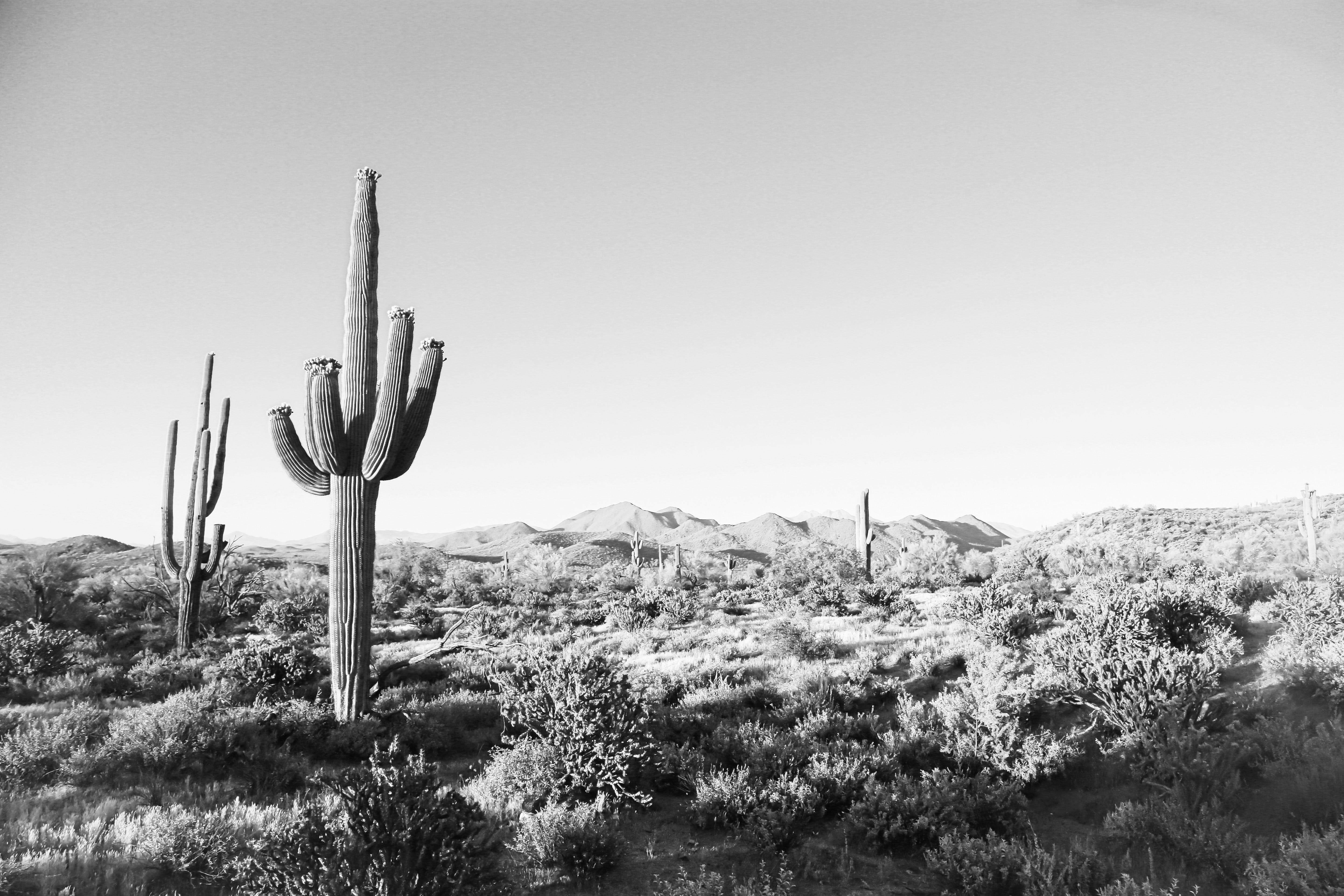
The first thing I noticed watching the Louis Theroux documentary was the pace. Everything moving fast. The talk, the cuts, the certainty. Nothing calm. Nothing that could hold weight for long.
These young men were getting hot on an idea and burning through it. Like a flower scorched under desert sun before it ever opens.
The influencers weren’t offering water. They weren’t offering shade. Just heat dressed up as momentum.
And that frantic emptiness moved in one direction. Influencer to influenced. Like the desert spreading.
When I hear “manosphere” I think of land, not ideology. A sphere suggests something sealed and self-contained, which is accurate enough. But what I see is terrain. And terrain tells you more than any argument about who to cancel.
It’s a desert. Not the clean kind. The kind where soil has been farmed past its capacity and turned to dust. The plants that survive there grow thorns. Thistles. Cactus. Goatheads. Each one built to repel contact. Nothing lush. Nothing that bears fruit.
When water comes in, the few things already rooted take it fast. The rest runs off.
That’s not a coincidence. That’s what happens when the ground has nothing left to hold moisture.
To be fair about it: these influencers do something real first. They see the kid. They name the isolation before anything else. Richard Reeves has spent years documenting what that isolation actually looks like. Young men falling behind. A generation of boys raised without a strong male presence in the house, hungry for someone to model what it means to carry difficulty without collapsing.
These influencers offer that. Belonging. A community with purpose. The experience of being heard by other men. That’s not nothing. That’s actually close to what a young man needs.
The land is not the problem. There is something worth saving here. That’s exactly why burning it down is the wrong move.
The temptation is to reach for Roundup. Point at what’s violent, name it loudly, and feel clean.
I understand that impulse. What some of these influencers are doing is genuinely harmful. Emptying a kid of his self-belief so he can be filled back up in someone else’s image. Teaching him that compassion is weakness. That other men are competition and everyone else is a threat.
You repeat a lie long enough and a man stops trusting himself. That’s the point. A man who doesn’t trust himself stays a follower.
But burning the desert doesn’t change the conditions that made it. You’re left with the same barren ground, the same isolated kid, the same hunger for someone to see him. The next thing that comes along offering that will take root just as fast.
The question isn’t how to destroy the landscape. It’s what the soil is missing.
Organic matter. Nutrients. Something that can hold water long enough for new growth to take. And then seeds. Not the kind that grow thorns.
That looks different than most people want it to look. It’s slower. It doesn’t make a good clip.
A truthful conversation. A long walk without something in your ears. Sitting still long enough to hear what’s underneath the noise. One act of honesty you don’t explain to anyone.
These aren’t solutions. They’re conditions that offer space for growth. The difference matters.
I’m not excusing what’s violent. The rage, the certainty, the way some of these men teach boys to drain themselves of empathy as though it’s a liability. That’s real damage.
But I’m not interested in congratulating myself for being against something while leaving the desert intact.
The kid who found Tate at 16 was already alone before Tate arrived. That’s the part that stays with me.